ISO 27001 is an internationally recognized standard for information security management that provides guidelines for organizations to manage and protect sensitive data. To achieve compliance with this standard, organizations must implement a robust information security program that includes policies, procedures, and controls.
These SharePoint Apps to enhance security and governance of data within SharePoint. Then read about best practices, features and tips.


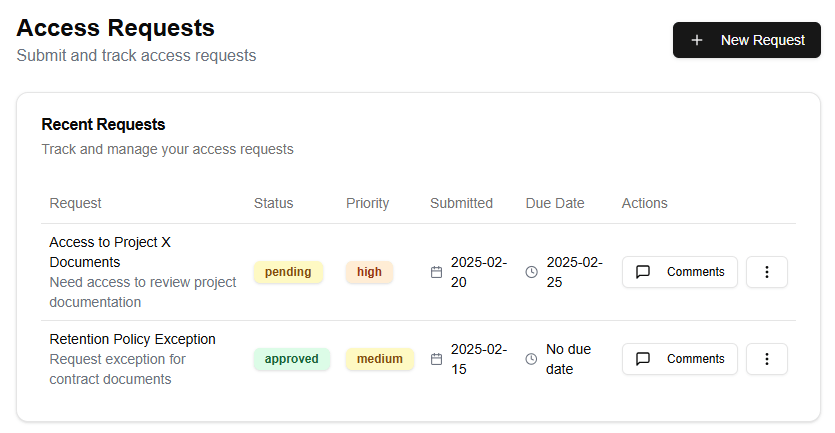

SharePoint, as a leading collaboration platform, offers numerous features that can help organizations implement ISO 27001-compliant information security standards. In this article, we will explore the key features of SharePoint that can be used to achieve compliance with ISO 27001.
Content Management
One of the primary concerns in achieving ISO 27001 compliance is ensuring that sensitive data is properly managed and controlled. SharePoint’s content management capabilities enable organizations to create a centralized repository for storing, managing, and sharing information. This feature allows administrators to implement access controls, versioning, and auditing to ensure that only authorized personnel can view or edit sensitive documents.
Site Management
SharePoint site management features provide an additional layer of control over the creation, modification, and deletion of sites. This includes setting permissions, implementing access controls, and monitoring site activity. By using SharePoint’s site management capabilities, organizations can ensure that sensitive data is properly contained within a specific site or subsite.
Information Rights Management (IRM)
SharePoint IRM features enable organizations to control who can view, edit, or delete sensitive information. This includes setting permissions based on user roles, groups, and access levels. By using IRM, organizations can ensure that only authorized personnel have access to sensitive data, reducing the risk of unauthorized disclosure.
Auditing
SharePoint’s auditing feature provides a comprehensive logging mechanism for tracking site activity. This includes recording changes made to sites, lists, libraries, and documents. By using SharePoint’s auditing capabilities, organizations can ensure that all actions taken on their information are properly tracked and recorded, providing valuable insights into who accessed what data.
Encryption
SharePoint’s encryption features provide an additional layer of security for sensitive data stored within the platform. This includes encrypting data at rest and in transit to prevent unauthorized access or interception. By using SharePoint’s encryption capabilities, organizations can ensure that their sensitive information is properly protected from unauthorized disclosure.
Data Loss Prevention (DLP)
SharePoint’s DLP features provide an additional layer of control over sensitive data by detecting and preventing data breaches. This includes monitoring site activity for potential security threats and alerting administrators to take action if suspicious activity is detected. By using SharePoint’s DLP capabilities, organizations can ensure that their sensitive information is properly protected from unauthorized disclosure.
In conclusion, SharePoint offers numerous features that can be used to achieve compliance with ISO 27001 information security standards. By implementing these features, organizations can ensure that their sensitive data is properly managed and controlled, reducing the risk of unauthorized disclosure or data breaches.
Leave a Reply